Lawn Fungus & Disease Control
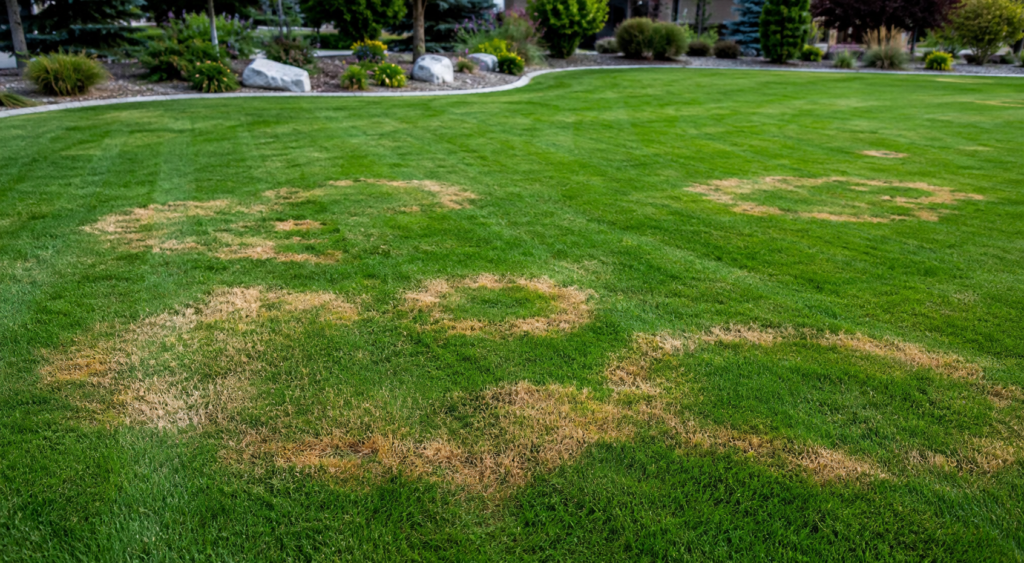
Possible Lawn Fungus
Protect Your Lawn from Fungal Disease
Brown circles, thinning turf, matted grass, and unusual patches can be signs of lawn disease—but fungus is not always the cause. Drought stress, watering problems, insects, pet damage, compaction, and fertilizer issues can create similar symptoms. Idaho Spray Service evaluates the condition of your turf before recommending treatment so we can address the actual problem instead of guessing.
What Causes Lawn Fungus?
Disease develops when a susceptible grass, a disease-causing organism, and favorable environmental conditions occur at the same time. Extended moisture, poor drainage, heavy thatch, compacted soil, shade, improper watering, and temperature changes can all increase disease pressure.
Some diseases become active during cool, wet weather, while others become more noticeable when infected grass is stressed by summer heat. This is why the appearance of a lawn does not always reveal when the infection began.
Common Lawn Diseases in Idaho
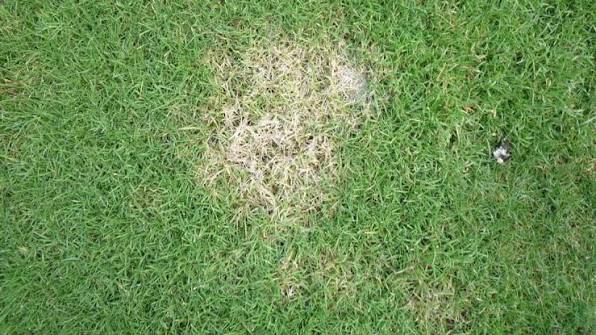
Snow Mold
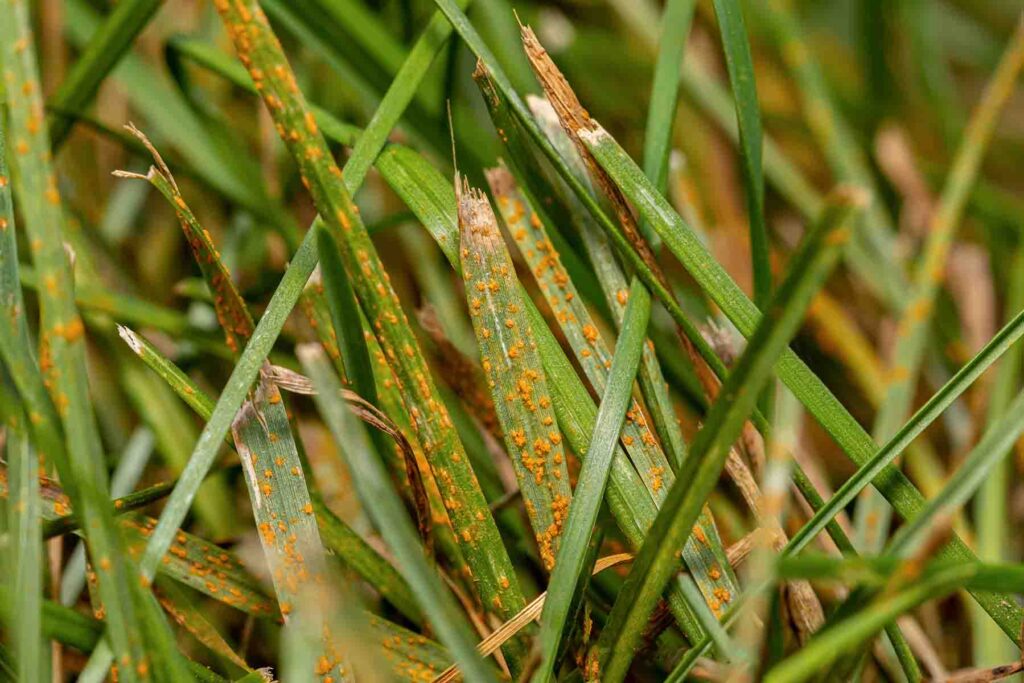
Rust
Idaho lawns may experience several fungal diseases, including:
• Pink or gray snow mold
• Necrotic ring spot
• Summer patch
• Fairy ring
• Rust
• Other patch and leaf diseases
Snow mold commonly appears after snow melts or during extended periods of cool, wet weather. Affected grass may look matted, discolored, or covered with white, gray, or pink fungal growth.
Necrotic ring spot and summer patch can create circles, arcs, or “frog-eye” patterns in the lawn. Because these diseases can damage roots and crowns, symptoms may become more visible when the grass is under heat or drought stress.
Fairy ring may create circles of darker green grass, mushrooms, or dry areas that resist water. Rust can leave orange or rusty-colored spores on grass blades, shoes, or mowing equipment. Different diseases require different management strategies, making proper identification important.
When Should Lawn Fungus Be Treated?
Treatment timing depends on the disease, weather conditions, previous problems, and the condition of the lawn. Some fungicides work best when applied preventively, before extensive damage appears. Others may help slow an active infection and protect healthy turf from additional damage.
A fungicide does not instantly fix the problem. Its job is to suppress the disease and help protect the lawn while the turf recovers. Severely damaged areas may need additional care, such as improved watering, aeration, fertilizer adjustments, overseeding, or follow-up applications.
Why Professional Diagnosis Matters
Applying fungicide to every brown patch wastes time and money and may leave the real problem untreated. Before recommending an application, we consider the pattern of damage, recent weather, watering habits, soil conditions, shade, mowing practices, and signs of insects or other stress.
We never want to apply something your lawn does not need. Our goal is to identify the most likely cause and recommend a practical plan for recovery.
Help Reduce Lawn Disease
Good lawn-care habits can lower disease pressure and help grass recover:
• Water early in the day so grass blades can dry
• Water deeply and consistently without creating soggy soil
• Correct drainage problems and avoid standing water
• Mow at an appropriate height with sharp blades
• Avoid removing too much of the grass blade at one time
• Aerate compacted soil and manage excessive thatch
• Use balanced fertilizer at the proper time and rate
• Avoid piling or compacting heavy snow in the same lawn areas
• Clean mowing equipment before moving from diseased turf to healthy areas
These steps cannot prevent every disease, but they create healthier growing conditions and reduce unnecessary stress on the lawn.
What to Expect After Treatment
Recovery time varies depending on the disease, severity of the damage, weather, and overall lawn health. Some turf may begin improving as new growth develops, while damaged roots or crowns may require more time. Multiple applications may be recommended when disease pressure remains high or when the product label requires a treatment interval.
Our team will explain what to expect, provide watering or mowing instructions, and let you know whether additional lawn-care steps may help. We are with you every step of the way.
Keep Your Lawn Barefoot Ready
If your lawn has unusual spots, rings, discoloration, or thinning areas, Idaho Spray Service can help determine whether fungal disease may be involved. We provide professional lawn fungus and disease-control services for residential lawns, commercial properties, and HOA communities throughout the Magic Valley and Treasure Valley.
Your lawn can’t be Barefoot Ready if it moldy.
Call Idaho Spray Service today at 208-734-0815 to schedule an inspection or learn more about lawn fungicide treatments.